

Yemen, country situated at the southwestern corner of the Arabian Peninsula. It is mostly mountainous and generally arid, though there are broad patches with sufficient precipitation to make agriculture successful. The people speak various dialects of Arabic and are mostly Muslims (see Islam).
Most of the Yemeni population are Arab, or originally from the Arabian Peninsula and its neighboring territories. Minority groups living in the country include Somali descendants along the coasts and small Egyptian communities throughout the northern parts of the country.
Most Yemenis are Muslims, or people who practice Islam. Within the religion of Islam, there are two major branches of believers: the Sunnis and the Shiites. Most Yemenis are Sunni Muslims, but a sizeable Shiite population lives in the country as well.
Like in other Middle Eastern countries, Islam strongly influences Yemeni culture. Eid al-Fitr, which marks the end of Ramadan (a month-long dawn-to-sunset fasting, or abstaining from food), and the birthday of the Prophet Muhammad (the founder of Islam) are two of the traditional Islamic holidays that Yemenis celebrate.
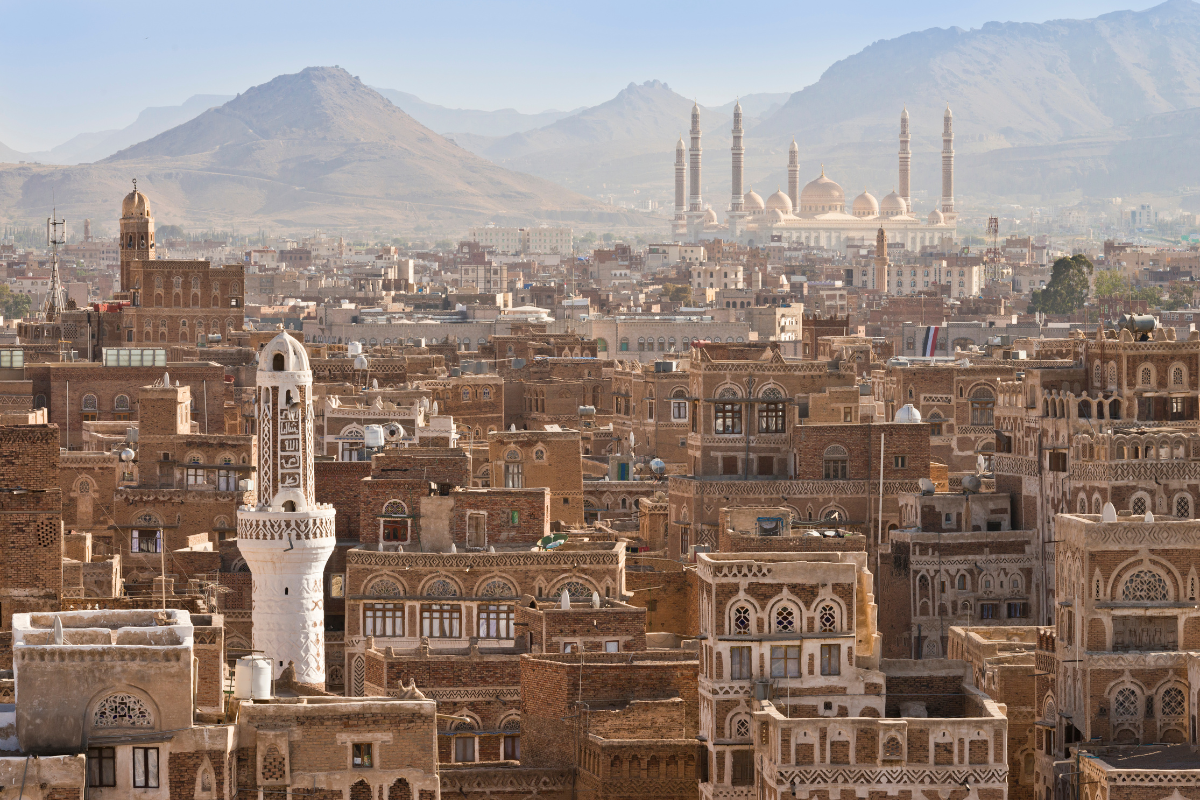
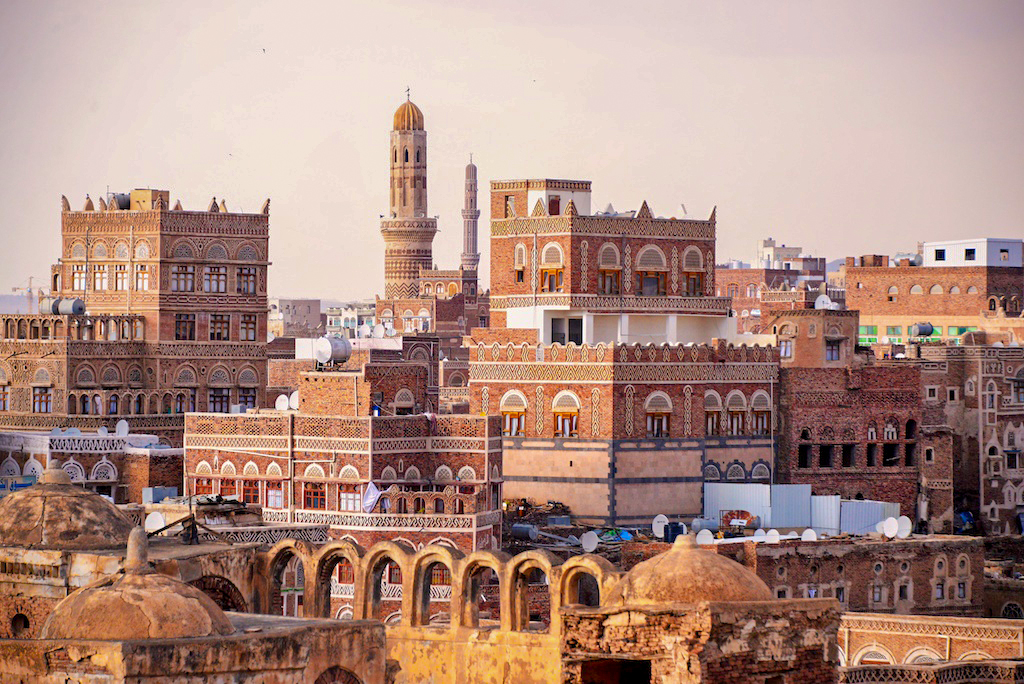
Yemen’s ancient architecture is famous for its age and beauty—some buildings are more than 2,000 years old. Sunbaked stone blocks and bricks form structures that reach several stories high. The walled city of Shibam is representative of this architecture.
Yemen’s largest city is its capital, Sanaa, one of the oldest cities in the world. Its Great Mosque, a house of worship used by Muslims, dates back to the time of Muhammad in the early seventh century.
Yemeni-Pakistani relations are rooted to the year 712-AD, as the first Yemenis were within the Islamic Army, which conquest the land of Sindh.
The diplomatic relations between Yemen (previously the northern part) and the Islamic Republic of Pakistan (Pakistan) were established before September 26, 1962, when the Pakistani ambassador accredited to Egypt in 1955, he was a non-resident Plenipotentiary Minister to Yemen. In contract, the non-resident Plenipotentiary Minister of Yemen to the Hashemite Kingdom was also non-resident Plenipotentiary Minister to Pakistan, and the two countries exchanged diplomatic representation at the Embassy level only in 1981, in Sana’a and Islamabad.
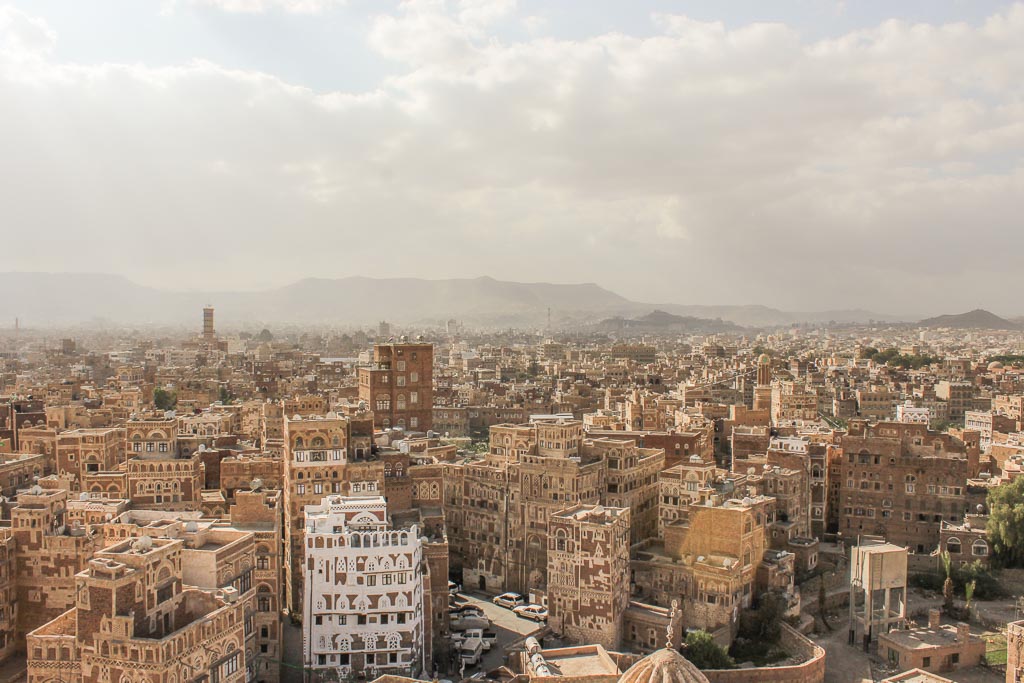
Yemen, country situated at the southwestern corner of the Arabian Peninsula. It is mostly mountainous and generally arid, though there are broad patches with sufficient precipitation to make agriculture successful. The people speak various dialects of Arabic and are mostly Muslims (see Islam).
Most of Yemen lies in the border zone between two main weather patterns: the regular northerly winds (from the Mediterranean basin) and the southwest monsoon winds. These create a fairly well-defined seasonal rhythm; the northerly winds predominate during the winter, while in the summer the southwest monsoon brings the primary rains. Cut off from this pattern by the central mountains, the southern fringe areas on the Gulf of Aden experience a markedly tropical climate. In Aden as well as in the north at Al-Ḥudaydah, temperatures often reach the 100s F (upper 30s C), with high humidity, whereas in Sanaa (at more than 7,200 feet [2,200 metres]) the daytime temperature averages in the upper 60s F (low 20s C), and humidity is low. The higher northern elevations of the central massif experience occasional frosts and dustings of snow during the winter months.
|
Country |
Export Value |
Import Value |
Year |
|
$82.70M |
$44.56M |
2021 |
We use cookies to enhance your browsing experience, provide personalized content, and improve site performance. For the best experience, please keep your browser up to date — update to support JS.